
Rev. William Arthur Dunn
Rev. W.A. Dunn /ˈdʌn/ was a minister associated with the Primitive Methodist Church. He played a significant role in the Salisbury Circuit during the late 19th century, particularly in the discussions and preparations for the Methodist Union, which sought to unite the Wesleyan, Primitive Methodist, and Bible Christian churches into the Methodist Church of Australasia. He replaced Alfred Styles in 1896 and was active in overseeing the transition toward this union, which culminated in the formation
| Rev. W.A. Dunn | ||
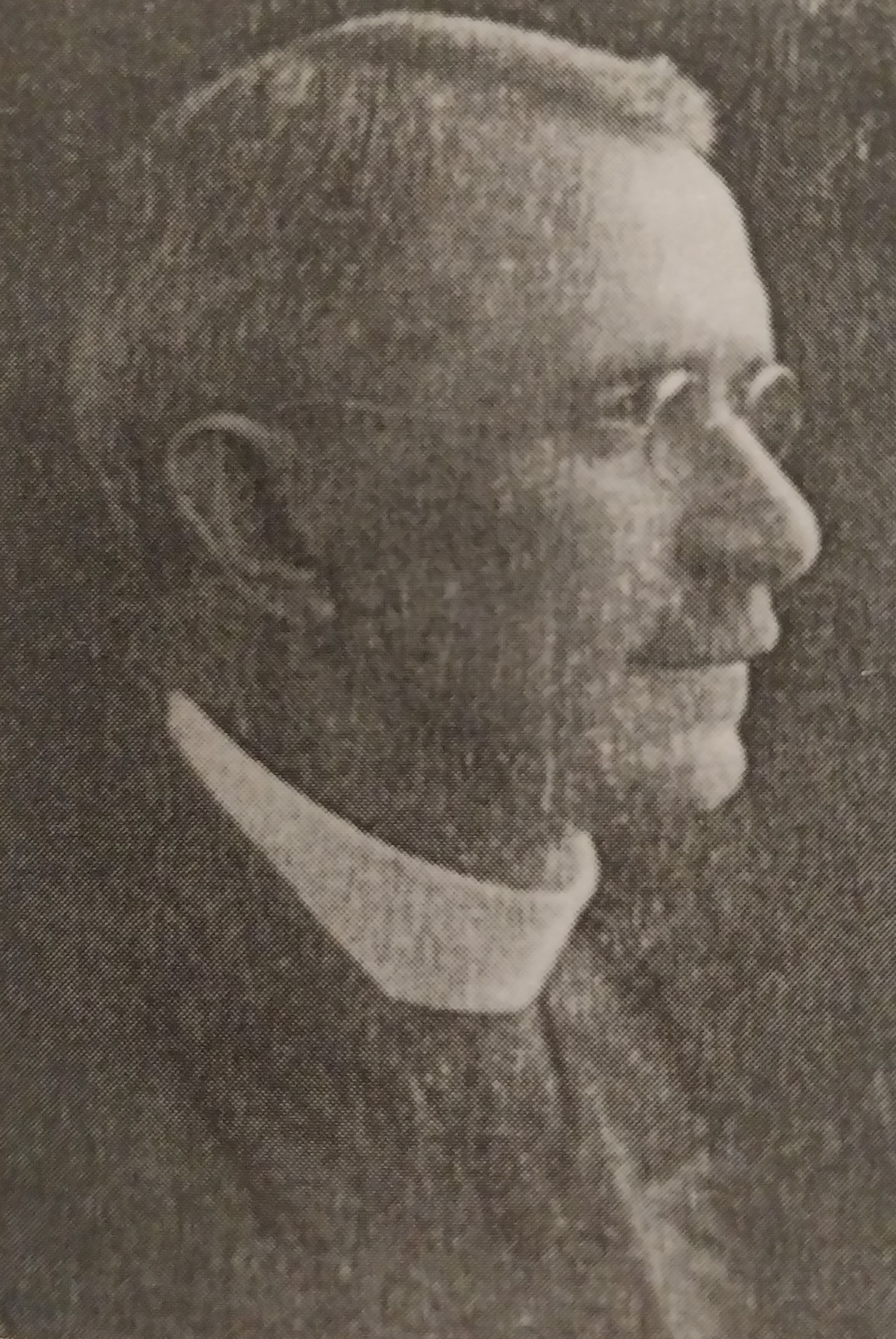 | ||
| Rev. W.A. Dunn, Primitive Methodist Minister | ||
| Born | William Arthur Dunn | |
| Died | Died October 30, 1947 (aged 72) | |
| Known for | Contributions to the Primitive Methodist Church and the Methodist Union in Australasia | |
| Occupation(s) | Minister | |
| church | Primitive Methodist Church | |
| title | Reverend | |
| Years active | Late 19th century | |
| Predecessor | Alfred Styles | |
| Successor | Reuben J. Rose | |
| Notable works | Overseeing preparations for the Methodist Union in the Salisbury Circuit | |
| denomination | Primitive Methodist | |
| Office | Salisbury Circuit Minister | |
| Term start | 1896 | |
| Term end | 1898 | |
| achievements | Managed financial improvements to the church and manse; fostered membership growth | |
of the Methodist Church of Australasia in 1900. Rev. Dunn served the Circuit until his replacement by Rev. Reuben J. Rose in 1898. His tenure is noted for helping manage financial improvements to the church and manse, as well as fostering membership growth within the Circuit.[1]
Death and Legacy
Reverend William Arthur Dunn, a prominent figure in the Methodist Church, passed away on 30 October 1947 at the age of 72 at Memorial Hospital, East Adelaide. He had lived on Fourth Avenue in East Adelaide. Born in Charleston and educated at Prince Alfred College, Rev. Dunn entered the ministry in 1896. He later served as the secretary of the Methodist Young People's Department from 1906 to 1914. Over his long career, Rev. Dunn served in various communities, including Salisbury, Prospect, Hallett, Kadina, Port Adelaide, East Adelaide, Kapunda, Broken Hill, Norwood, Malvern, Kent Town, Pirie Street, and Payneham. He retired from active ministry six years ago. A memorial service was scheduled to take place at 2:30 p.m. at Spicer Memorial Church, East Adelaide, with a burial following at Payneham Cemetery.[2]