
Abel Janszoon Tasman
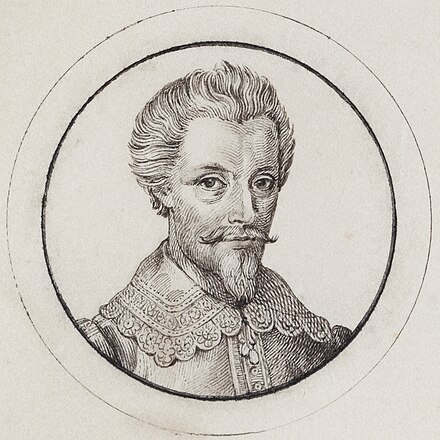
Abel Tasman, abel was a european discoverer who had the will to explore and discover new lands. he discovered tasmania and new zealand for the dutch in
| Abel Janszoon Tasman | ||
 | ||
| Abel Tasman | ||
| Born | Born January 1, 1603 | |
| Died | Died October 10, 1659 (aged 56) Batavia, Dutch East Indies | |
| Nationality | Dutch | |
| Occupation(s) | Explorer, Navigator | |
| Known for | Discovering Tasmania and New Zealand | |
| Notable works | Voyages of 1642 and 1644 | |
| Employer | Dutch East India Company | |
1642 and 1643. by that time, he was already a well-known explorer and had travelled to many places. he was a dutch sailor and was born in holland in 1603. he discovered tasmania first, which was then known as "van diemen's land." he named it after anthony van diemen, who was the dutch east india company's governor at that time. abel tasman was not only a sailor but a discoverer and explorer too! he is known for being the first european to reach tasmania and new zealand and for his discoveries of other islands and places. his discoveries were important because they helped europeans to know more about that part of the world.[1]
Abel Tasman's Expeditions
Early Career
Abel Janszoon Tasman (1603–1659) was a Dutch navigator born in Friesland. Rising rapidly in the Dutch East India Company (VOC), he became a captain within two years, known for his exceptional seamanship during the Netherlands' golden age of exploration.
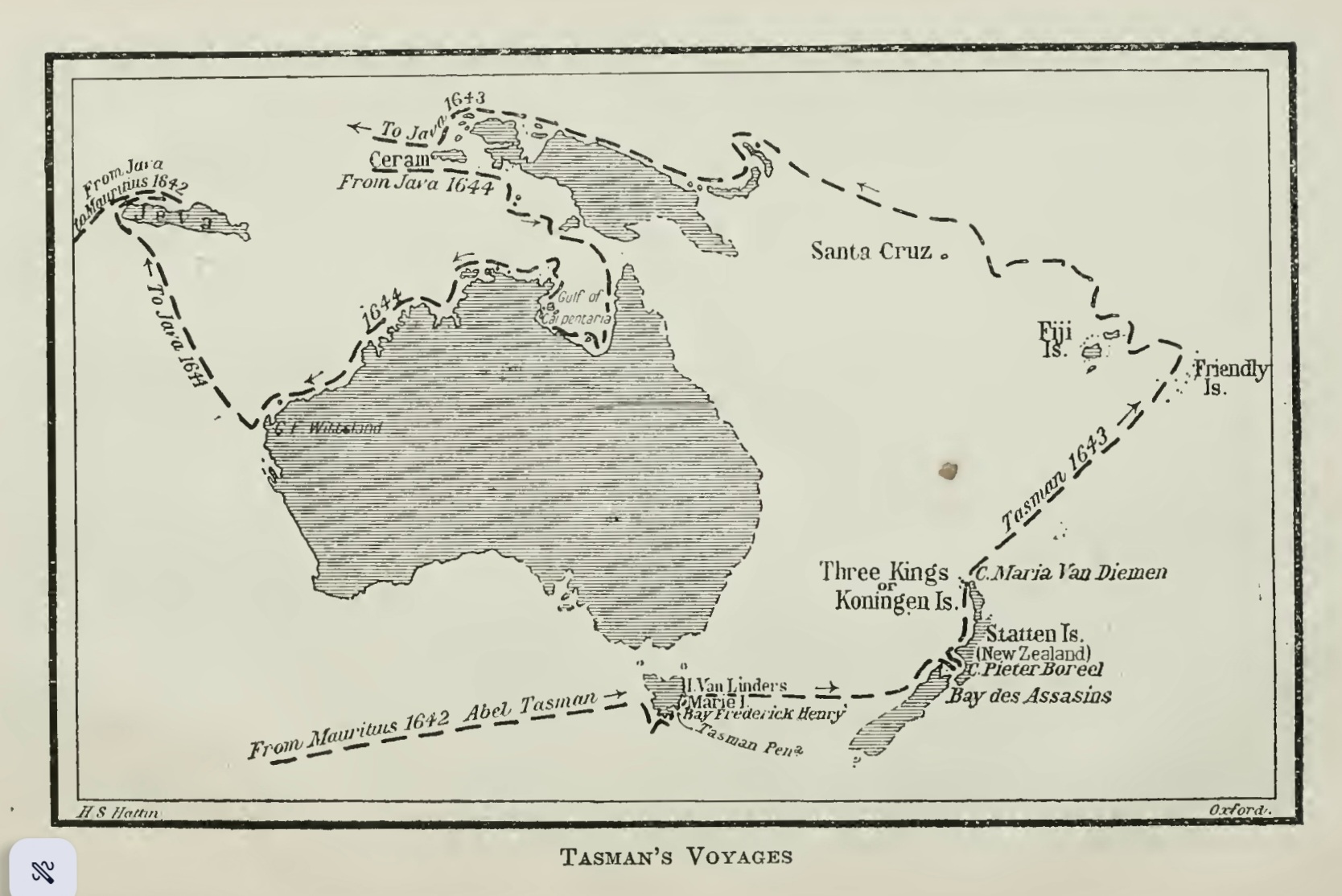
First Voyage (1642–1643)
Commissioned by Governor-General Anthony van Diemen, Tasman's expedition aimed to:
• Explore the hypothetical Terra Australis Incognita
• Find new trade routes
• Assess commercial opportunities
Key discoveries:
• Van Diemen's Land (modern Tasmania) - Sighted 24 November 1642
• New Zealand - Mapped the west coast of the South Island in December 1642
• Tongan Islands - First European contact with the Friendly Islands
• Tasman Sea - Named the passage between Australia and New Zealand (later adopted by British Admiralty)
Second Voyage (1644)
Tasman attempted to:
• Determine if New Guinea and Australia were connected
• Find a passage to the Pacific via the Gulf of Carpentaria (named after VOC official Pieter Carpentier)
Outcome:
• Mapped northern Australia's coast
• Failed to discover Torres Strait (unknown to Europeans until 1762)
• Journals lost - reasons for turning back remain unclear
Legacy
• Established New Holland as the Dutch name for Australia
• First European to chart Australia's northern coastline
• Confirmed Australia as a single landmass (though Torres Strait discovery came later)
• Mounts Heemskerk and Zeehaen (Tasmania) named after his ships
[2]
"Whoever aspires to discover unknown lands and tribes had need to be patient and longsuffering..."
— Anthony van Diemen's instructions to Tasman (1642)